
Understanding the real Seoul dermatology price landscape is the most important step before booking your medical tourism trip. As the undisputed global capital of medical aesthetics, Seoul offers access to cutting-edge laser technologies, world-class dermatologists, and clinical results that feel years ahead of Western counterparts. However, for many international patients, navigating this hyper-competitive market induces significant anxiety.
The lack of standardised transparent Seoul dermatology price information, coupled with linguistic barriers and information asymmetry, can turn a journey for self-improvement into a stressful financial guessing game. Many travellers worry about inflated “foreigner prices” or aggressive upselling tactics that distort the true Korea skin clinic cost.
At KMI, we believe premium medical care requires premium transparency. This comprehensive pricing guide is designed to stabilise your financial expectations, demystify the local clinic ecosystem, and safeguard your medical tourism budget for 2026.
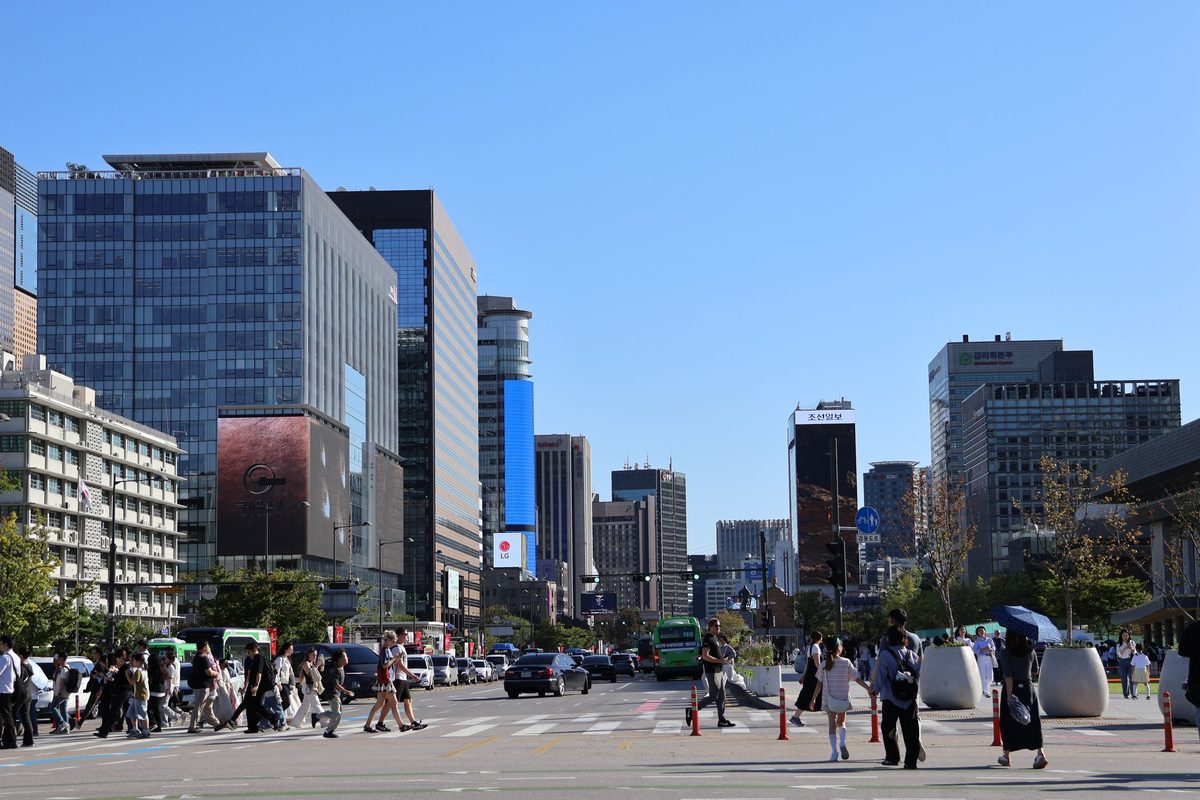
2026 Seoul Dermatology Price Guide: Gangnam & Cheongdam Rates
To prevent financial surprise, it is essential to establish an objective baseline. The table below reflects the standard, non-promotional pricing ranges for 2026 at reputable, board-certified clinics located within Seoul’s premium medical districts — specifically Gangnam and Cheongdam.
While ultra-low promotional rates exist, these figures represent what you should realistically budget for high-quality, safe, and legally compliant care.
| Procedure Category | Core Brands | Price Range (USD) |
|---|---|---|
| Skin Boosters | Juvelook / Rejuran Healer | $250 – $450 per session |
| Lifting (Mid-Tier) | Inmode (FX/MiniFX) / Shurink Universe | $150 – $300 per session |
| Premium Lifting | Ultherapy (300 Lines) | $800 – $1,200 |
Exchange rate note: These figures are indexed in USD for international planning purposes. Most clinics accept major credit cards, but settling in Korean Won (KRW) is standard practice.
Clinic Ecosystem: How Costs Vary by Business Model
To optimise your budget, you must understand the structural split in Seoul’s dermatology market. The Korean aesthetic industry operates on two fundamentally different business models. Choosing between them dictates both your financial outlay and clinical experience.
Factory-Style Clinics (Tourist Hubs: Myeong-dong, Hongdae)
These facilities operate on a high-volume, low-margin business model. They aggressively target tourists with heavy social media ad campaigns offering the lowest possible procedural fees.
- The workflow: You are processed rapidly. Consultation is handled entirely by a sales manager — not a physician. The doctor enters only to perform the procedure and leaves immediately.
- Best for: Low-risk, highly standardised treatments where physician customisation is minimal — basic Botox, standard fillers, or simple laser toning.
- Financial advantage: The lowest Korea skin clinic cost available, ideal for routine maintenance.
Private Premium Clinics (Medical Hubs: Gangnam, Cheongdam, Sinsa)
These are boutique, medical-first practices led by board-certified dermatologists who tailor treatments to individual facial anatomy. The pricing at these clinics reflects the quality of personalised care.
- The workflow: You receive a comprehensive 1:1 consultation directly with the operating physician. They analyse skin elasticity, fat distribution, and barrier health before touching a needle or laser.
- Best for: Complex skin boosters (Rejuran requires meticulous uniform injections to prevent nodules), high-energy lifting devices (incorrect Ultherapy vectors can cause fat loss or burns).
- Financial advantage: Higher upfront cost, but significantly reduced complication risk and enhanced result longevity.
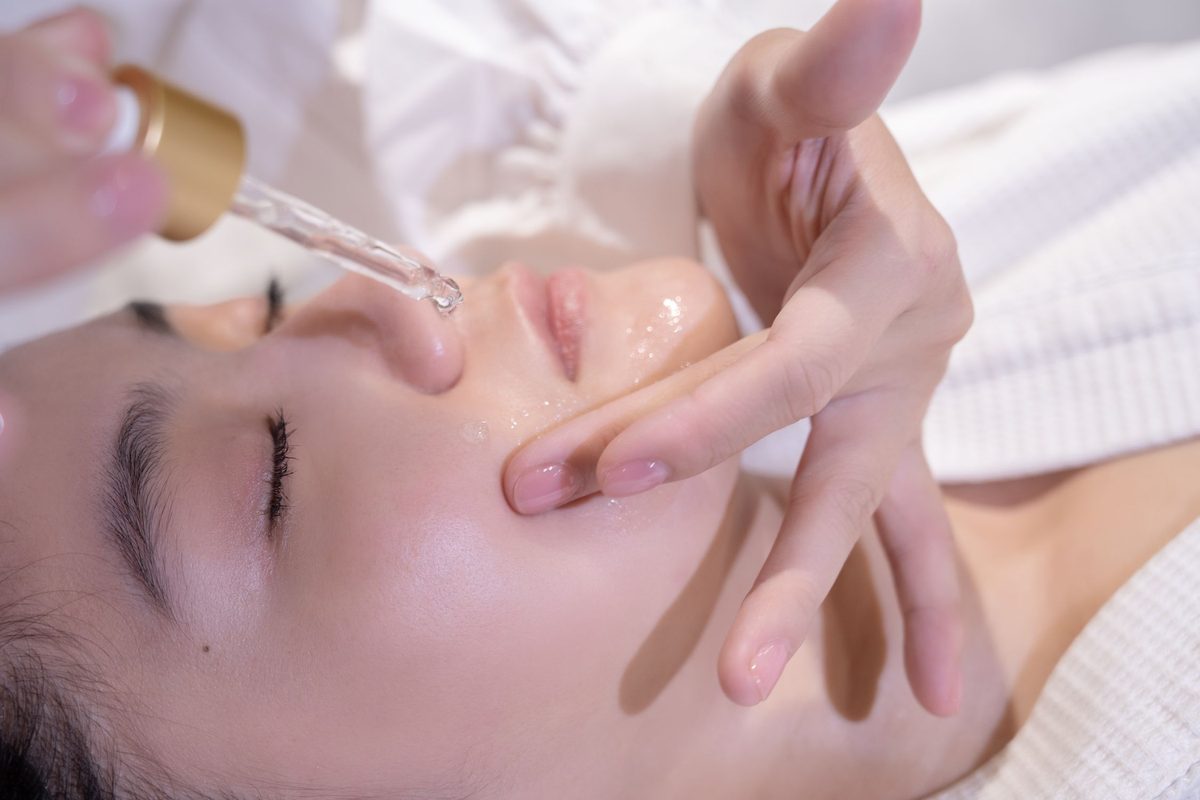
How to Avoid Tourist Traps and Protect Your Budget
Protecting your finances in a foreign country requires knowing exactly how aggressive marketing engines operate. Inflated price quotes targeting uninformed tourists are common. Shield your wallet by watching for these three structural traps.
1. The Bait-and-Switch Trap
Do not take online promotional pricing at face value. A common pitfall is the hyper-cheap introductory event price seen on apps or overseas ads.
Warning: Ultra-low prices frequently omit the mandatory 10% VAT. They are almost universally calculated based on the minimum possible dosage — a threshold that is clinically ineffective for most adult skin concerns. Always secure written confirmation of the total cost for the clinically effective dosage before entering the clinic.
Once inside, managers will pressure you to upgrade dosage or add packages, claiming the advertised price won’t yield results. This is the trap. Demand the full-cost breakdown in writing before committing.
2. The Tax Refund Trap: Bring Your Physical Passport
The South Korean government offers a significant financial incentive for medical tourists: a 7% to 10% tax refund on eligible aesthetic procedures. However, thousands of tourists forfeit this rebate due to a simple administrative mistake.
Critical rule: To generate the tax-exempt receipt, clinics require your physical passport at the exact time of payment. A digital photo, scanned copy, or smartphone image is NOT legally sufficient. If you leave your passport at the hotel, the clinic cannot retroactively issue the document — and you forfeit your refund at the airport.
Pack your passport every single time you visit a clinic. No exceptions. This one habit can save you hundreds of dollars across multiple procedures — effectively reducing your total treatment cost by up to 10%.

3. Opaque Fees: Unmasking Hidden Surcharges
When dealing with international coordinators, pricing communication can remain deliberately ambiguous. Hidden fees can inflate your final bill by 15–25% beyond the initial quote.
- The hidden fee: Some clinics advertise competitive procedure prices, only to add an unexpected “International Translation Fee” ($50–$100) or a “Specialist Consultation Fee” onto the final invoice.
- The prevention: Before booking your deposit, send an explicit, traceable message asking whether the quoted price includes consultation, translation services, and post-treatment care — or whether any of these will be billed separately. Retain their written response as leverage during final payment.
4. The Cash-Only Discount Trap
Some clinics offer a tempting 10% discount for cash payments. This sounds like a smart saving — but it comes with serious hidden costs.
- Tax refund voided: Cash payments cannot generate the electronic tax-exempt receipt required at the airport. You lose your 7–10% government rebate.
- No legal protection: Without an official card receipt or invoice, you have zero documentation if a medical complication arises. Korean consumer protection laws require proof of transaction.
- The math: A 10% “discount” minus the forfeited 10% tax refund equals zero savings — with all the legal risk shifted onto you.
Rule: Always pay by card. Always get a printed receipt. The minor “discount” is never worth the loss of legal recourse and tax refund eligibility.
Plan Smart, Invest Wisely
Flying thousands of miles to receive subpar care or inflated invoices defeats the purpose of medical tourism. The smartest approach to navigating these pricing structures is to divide and conquer.
Utilise high-efficiency factory-style clinics for trivial, automated procedures — routine jaw Botox or simple laser toning. However, when it comes to advanced skin barrier treatments, high-intensity lifting devices, or needle-based procedures, protect your safety and long-term results by investing in private, board-certified specialists.
Researching the real Seoul dermatology price landscape — and the traps designed to exploit uninformed visitors — is the single most valuable preparation you can make before boarding your flight. Your face deserves an expert, not an assembly line.
Medical Disclaimer
The information presented in this article is for educational purposes only and does not constitute medical advice, diagnosis, or treatment recommendation. Individual outcomes vary based on skin type, medical history, and treatment protocol. Always consult a board-certified dermatologist or licensed medical professional before undergoing any cosmetic procedure. Korean Medical Index does not endorse specific clinics or practitioners. Treatment decisions should be made in consultation with a qualified provider who can assess your individual suitability.
Clinical References
The pricing data and safety guidance in this article are informed by official publications and industry reports:
- South Korea Ministry of Health and Welfare (MOHW) — Safety Guidelines and Legal Protections for Foreign Patients. Official Regulatory Publication, 2026.
- Korea Health Industry Development Institute (KHIDI) — Medical Tourism Statistics and Aesthetic Procedure Price Index. Annual Industry Report, 2026.
- Korean Dermatological Association (KDA) — Official Position Paper on Board-Certified Practitioner Verification and Standards of Care. Professional Standards Document, 2025–2026.