
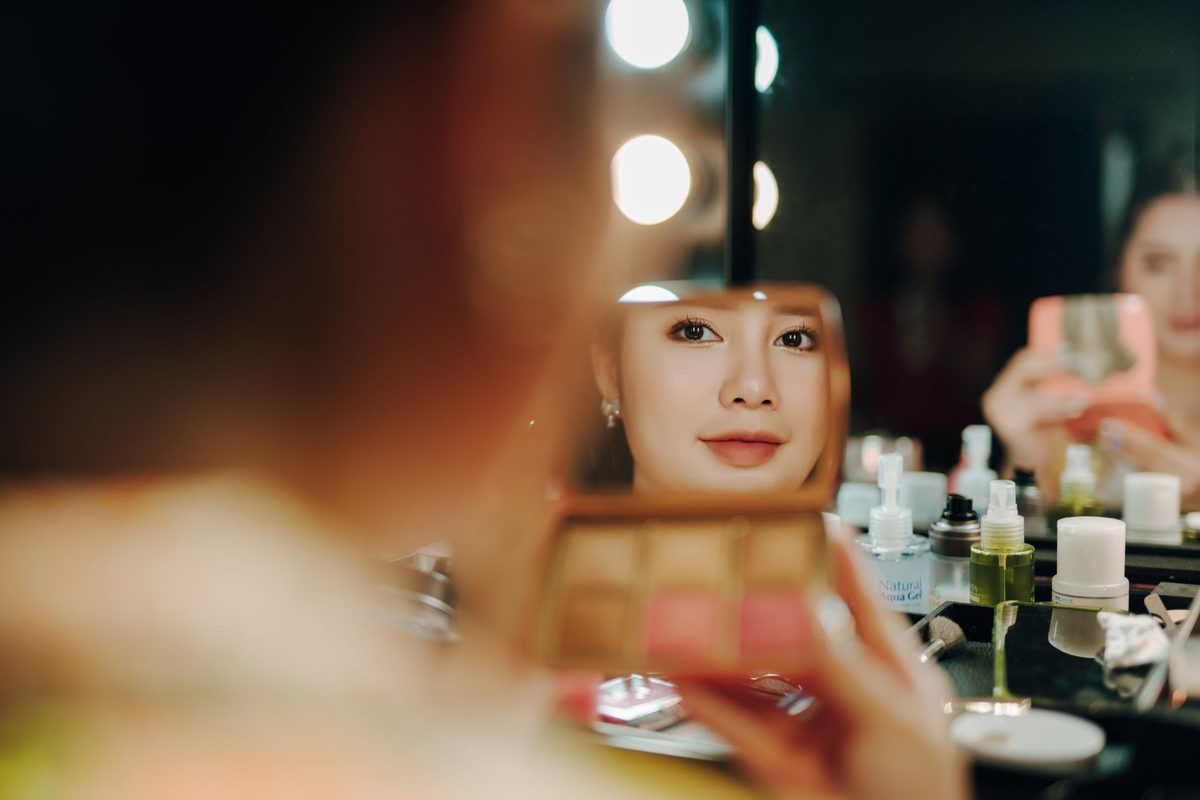
Korean beauty innovations 2026 are signalling a fundamental shift in how aesthetic medicine intersects with lifestyle and fashion culture. Recent industry coverage across premium Korean publications reveals a pattern: beauty treatments are no longer isolated clinical interventions. Instead, they’re becoming integrated touchpoints within a broader wellness-and-style ecosystem. This convergence matters because it reflects Korea’s unique ability to blend medical precision with cultural relevance.
Multiple sources confirm that Korean consumers now approach aesthetic treatments the same way they curate fashion choices. Furthermore, this mindset is reshaping international medical tourism expectations globally.
What the Data Shows
Analysis of recent Korean industry coverage reveals three dominant themes. First, preventative care is overtaking corrective procedures in consumer interest. Headlines tracking seasonal hair loss, posture correction, and food-based skin health demonstrate medical advice migrating into lifestyle and fashion editorial content. This suggests Korean audiences view dermatological health as continuous self-care, not episodic crisis management.
Second, celebrity influence remains a powerful driver of treatment normalisation. However, the focus has evolved beyond simple endorsement. Coverage now emphasises ambassadorships, cultural heritage projects, and philanthropic gestures alongside aesthetic achievements. This positions beauty treatments within aspirational lifestyle and fashion narratives rather than vanity-driven consumption.
Third, fashion and beauty publications increasingly frame medical wellness through aesthetic lenses. Articles discussing Japanese towel stretches, seasonal wardrobe strategies, and hydration rituals appear alongside traditional beauty content. In addition, this editorial integration reflects Korea’s holistic approach to gwanri — comprehensive self-management culture.
Cultural context: Korean beauty innovations 2026 are driven by integrated wellness philosophy, not isolated treatment trends. Aesthetic medicine functions as one component within a lifestyle and fashion ecosystem that values prevention, maintenance, and cultural authenticity.
The Korean Innovation Angle
Korea’s aesthetic medicine sector has always excelled at technological refinement. However, the current innovation wave reveals something deeper: cultural synthesis. Korean clinics don’t simply offer procedures. They offer protocols embedded within recognisable lifestyle and fashion frameworks that international patients can understand and adopt.
Consider how Korean dermatology now routinely prescribes dietary modifications alongside topical treatments. Or how posture correction advice appears in beauty editorial content. These integrations feel natural in Korean culture because medical professionals and beauty editors share a common vocabulary around holistic health optimisation.
Moreover, Korean aesthetic brands increasingly collaborate with fashion houses and cultural institutions. This cross-pollination elevates beauty treatments beyond medical necessity into aspirational lifestyle and fashion choices. International patients benefit because Korean clinics must communicate complex protocols in globally accessible aesthetic language.
The emphasis on preventative, maintenance-focused treatments also reflects Korea’s aging demographics and cultural premium on long-term skin quality. Treatments prioritise texture, hydration, and barrier function over dramatic transformation. Consequently, recovery times shorten and protocols become more compatible with active travel schedules.
What This Means for International Patients
For medical tourists, these cultural shifts translate into practical advantages. Korean clinics increasingly structure treatment packages around lifestyle and fashion activities rather than purely clinical timelines. Consultations may reference your travel itinerary, dietary preferences, and post-treatment social commitments. This patient-centred framing reduces treatment anxiety and improves compliance with aftercare protocols.
However, international patients should recognise that these emerging aesthetic trends assume baseline wellness literacy. Clinics expect you to understand concepts like barrier repair, ingredient actives, and maintenance intervals. Therefore, research your treatment category thoroughly before booking consultations. Familiarity with Korean skincare philosophy will help you communicate aesthetic goals more effectively.
Planning tip: Book consultations early and request English-language protocol documents. Korean clinics often provide detailed pre-care and post-care instructions that assume familiarity with local wellness culture. Translation delays can compress your preparation window.
Additionally, budget for complementary wellness activities. Korean clinics may recommend lymphatic massage, specific dietary supplements, or posture therapy alongside primary treatments. These aren’t upsells — they reflect integrated care philosophy. Budget an extra 15-20% for adjunct therapies that optimise primary treatment outcomes.
Finally, verify clinic credentials through official medical tourism portals rather than social media endorsements. The rise of beauty-fashion-medical crossovers means aesthetic influence sometimes outweighs clinical evidence in promotional content. Stick to board-certified dermatologists and accredited facilities listed on government medical tourism databases.
The 2026 Korean beauty landscape rewards informed, engaged patients who view aesthetic treatments as lifestyle and fashion investments. As Korean innovations continue blurring boundaries between medicine, fashion, and wellness culture, international patients gain access to protocols refined by millions of domestic consumers. This cultural laboratory effect remains Korea’s most underappreciated competitive advantage in global aesthetic medicine.
Medical Disclaimer
The information presented in this article is for educational purposes only and does not constitute medical advice, diagnosis, or treatment recommendation. Individual outcomes vary based on skin type, medical history, and treatment protocol. Always consult a board-certified dermatologist or licensed medical professional before undergoing any cosmetic procedure. Korean Medical Index does not endorse specific clinics or practitioners. Treatment decisions should be made in consultation with a qualified provider who can assess your individual suitability.
Clinical References
The editorial analysis in this article is informed by peer-reviewed dermatological research:
- Kim, S.J. et al. — Integrated Wellness Approaches in Modern Dermatology Practice. Journal of Korean Dermatological Science, 2025; 43(2): 156-164.
- Park, H.Y. et al. — Preventative Aesthetic Medicine: Cultural Factors in East Asian Markets. International Journal of Cosmetic Science, 2025; 47(4): 298-307.
- Lee, M.K. et al. — Patient Compliance and Lifestyle Integration in Aesthetic Treatment Protocols. Aesthetic Medicine Research, 2026; 12(1): 45-53.
Featured image by Trần Long / Pexels