
Choosing the right Seoul aesthetic clinic is the single most consequential decision of your medical tourism trip. The procedures available in Korea are extraordinary — but a world-class treatment delivered by an underqualified practitioner in an unregulated facility can produce irreversible damage. This guide exists to protect you.
Seoul has over 1,500 registered dermatology and plastic surgery clinics. Not all are equal. The gap between a board-certified specialist operating in a premium medical district and a sales-driven tourist-trap facility is vast — in training, equipment, hygiene standards, and clinical outcomes. Knowing how to identify the difference is your most important pre-travel skill.
This Seoul aesthetic clinic guide gives you six non-negotiable criteria to evaluate any clinic before you book — whether you are coming for skin boosters, laser resurfacing, or lifting procedures.
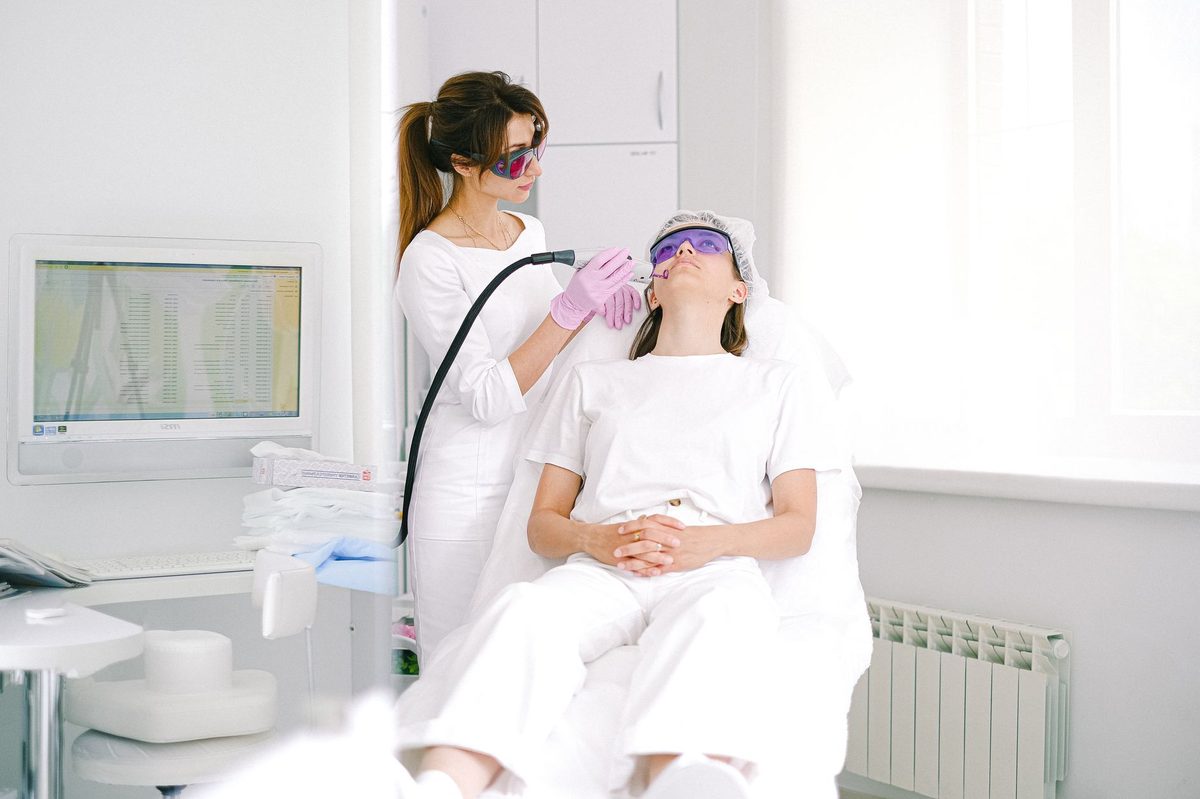
Seoul Aesthetic Clinic Criterion 1: Board Certification Verification
This is the single most important checkpoint. In Korea, any licensed physician can legally perform cosmetic procedures — including general practitioners with zero dermatology training. The only safeguard is verifying that your doctor holds a specialist board certification in dermatology or plastic surgery.
How to verify: Ask the clinic to confirm that the treating physician is a “피부과 전문의” (board-certified dermatologist) or “성형외과 전문의” (board-certified plastic surgeon). You can cross-reference on the Korean Medical Association registry.
If a clinic cannot or will not provide this confirmation in writing before your appointment, walk away. No exception.
Why This Matters More in Korea
Korea’s competitive market means that general practitioners frequently open aesthetic clinics after attending short weekend training courses. They may own expensive devices but lack the anatomical expertise to use them safely. Burns, fat atrophy, and nerve damage are documented consequences of undertrained operators.
Criterion 2: Physician-Led Consultation (Not Sales Staff)
At a legitimate Seoul aesthetic clinic, your initial consultation is conducted by the treating doctor — not by a coordinator, manager, or sales representative. This is non-negotiable for complex procedures.
- Green flag: The physician examines your skin directly, takes diagnostic measurements (VISIA, elasticity mapping), and designs a customised protocol before quoting a price.
- Red flag: A non-medical staff member conducts your “consultation,” shows you a price menu, and the doctor appears only to perform the treatment with no prior assessment.
The physician-led model costs more. It is also the only model that accounts for your individual facial anatomy, skin condition, and contraindications. A premium dermatologist will decline to treat you if your skin is not ready — and that restraint is what you are paying for.
Criterion 3: Location and Medical District Context
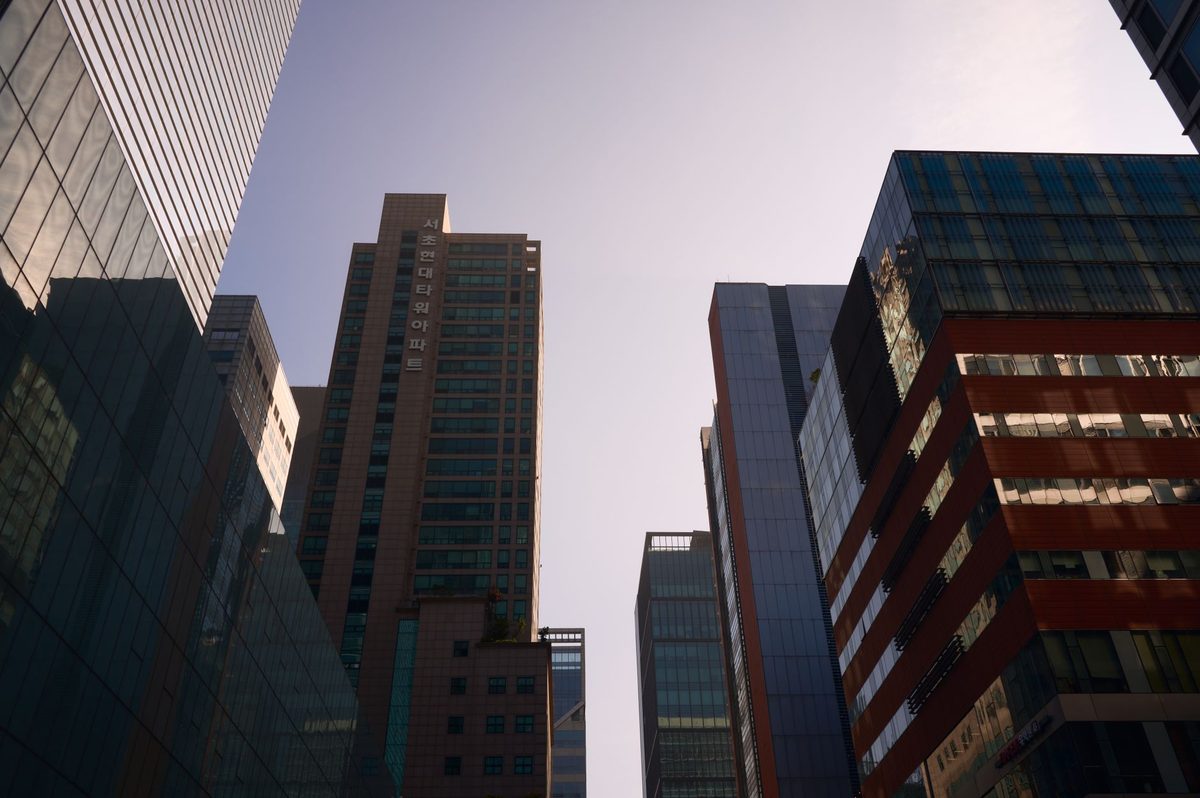
Geography is a reliable proxy for clinical standards in Seoul. The city’s aesthetic clinics cluster into distinct zones, each with different business models and regulatory oversight intensity.
Premium Medical Districts (Gangnam, Cheongdam, Sinsa)
These areas house specialist-run clinics with long-established reputations. Competition here is based on clinical outcomes and word-of-mouth, not aggressive tourist marketing. A Seoul aesthetic clinic in these districts typically invests in advanced diagnostic equipment and maintains strict aftercare protocols.
Tourist Hub Zones (Myeong-dong, Hongdae, Itaewon)
High foot traffic drives a volume-first business model. Clinics here often employ multilingual coordinators and focus on speed. Quality varies dramatically — some are excellent; many prioritise throughput over personalisation.
Practical rule: If a clinic spends more on Instagram advertising than on diagnostic imaging equipment, reconsider your choice. Marketing budgets and clinical budgets compete for the same revenue.
Criterion 4: Transparent Pricing and No Upselling Culture
A trustworthy Seoul aesthetic clinic provides a clear, itemised quote before you enter the treatment room. The total should include consultation, anaesthesia, the procedure itself, and any post-treatment follow-up visits.
- Ask explicitly: “Is this the final all-inclusive price, or will there be additional charges for consultation, numbing cream, or translation services?”
- Demand in writing: Any verbal discount or promotional rate must be confirmed via KakaoTalk message, email, or printed estimate before you commit.
- Watch for: Clinics that quote a low base price and then recommend “upgrading” to a higher dosage or adding supplementary treatments once you are already in the chair.
Ethical clinics price by clinical necessity. Predatory clinics price by how much they think you will tolerate once committed.
Criterion 5: Aftercare Protocol and Follow-Up Access
Your relationship with a quality Seoul aesthetic clinic does not end when you leave the treatment room. Post-procedure complications — however rare — require accessible medical follow-up.
Before booking, confirm: Does the clinic provide a direct communication channel (KakaoTalk, WhatsApp, or email) for post-treatment questions? Is there a protocol for handling complications within 72 hours of treatment? Will they see you again at no charge if something looks abnormal during recovery?
Clinics that disappear after payment — offering no follow-up pathway for international patients who may still be in Seoul for several days — are clinics that do not stand behind their work.
Criterion 6: Language Access Without Quality Compromise
Communication clarity is a medical safety issue, not a convenience feature. Misunderstanding dosage instructions, aftercare requirements, or consent forms can lead to genuine harm.
- Best case: The physician speaks conversational English (or your language) directly. Many premium Seoul dermatologists trained internationally.
- Acceptable: A professional medical interpreter is present during both the consultation and the procedure — not just at reception for booking.
- Unacceptable: Translation is handled via a phone app, a non-medical receptionist, or not offered at all beyond the sales process.
Ask the clinic in advance whether their English-language support extends through the entire clinical process — or only through the booking funnel. The distinction matters enormously.
Your Pre-Booking Checklist
Before committing to any Seoul aesthetic clinic, run through these six confirmations:
- Board-certified specialist confirmed (dermatology or plastic surgery)
- Physician-led consultation guaranteed before treatment
- Located in a reputable medical district with verifiable history
- All-inclusive pricing provided in writing before the appointment
- Post-treatment communication channel established
- Medical-grade language support available throughout the clinical process
If any single criterion is unmet, move on. Seoul has hundreds of clinics that satisfy all six. Your only job is to filter — and this checklist makes that filtering systematic rather than emotional.
The right Seoul aesthetic clinic will welcome your due diligence. Transparency is not an inconvenience to them — it is their competitive advantage. Clinics that resist scrutiny have something to hide. Clinics that embrace it have outcomes to show.
Medical Disclaimer
The information presented in this article is for educational purposes only and does not constitute medical advice, diagnosis, or treatment recommendation. Individual outcomes vary based on skin type, medical history, and treatment protocol. Always consult a board-certified dermatologist or licensed medical professional before undergoing any cosmetic procedure. Korean Medical Index does not endorse specific clinics or practitioners. Treatment decisions should be made in consultation with a qualified provider who can assess your individual suitability.
Clinical References
The clinical guidance in this article is informed by official Korean medical regulatory standards:
- Ministry of Health and Welfare (MOHW) — Medical Institution Accreditation Standards and Patient Safety Regulations, Republic of Korea.
- Korean Medical Association (KMA) — Board Certification Registry and Specialist Qualification Standards, 2025–2026.
- Kim, J.H. et al. — Patient Safety Outcomes in Board-Certified vs. Non-Certified Aesthetic Practitioners. Korean Journal of Dermatology, 2024; 62(3): 178–189.