
A well-planned Seoul medical tourism itinerary can transform a short clinic visit into a full recovery success. Every year, thousands of international patients fly into Seoul for advanced skin procedures — and leave within 72 hours. The challenge is not the treatment itself. It is what happens in the critical hours afterward.
This recovery plan maps out a precise three-day framework for your post-procedure stay. It covers the biological timeline your skin follows after injectable treatments, the environmental factors that accelerate or sabotage healing, and the practical logistics of navigating Seoul while your face recovers.

The 72-Hour Recovery Timeline
Understanding your skin’s post-procedure behavior is essential. The first three days determine how quickly you return to normal appearance. Here is what to expect — mapped to your body’s own healing rhythm.
Day 1: The Acute Inflammatory Phase (0–24 Hours)
Swelling peaks within 6 to 12 hours after Juvelook or Rejuran injections. Needle marks appear as tiny red dots across treated areas. This is normal. Your body is initiating its collagen-stimulation response.
Day 1 Protocol: Head elevated. Cold compresses in 10-min intervals. Zero makeup. Minimum 2L water intake. No touching or massaging treated zones.
Your only job today is rest. Let inflammation do its work — it is the signal that collagen remodeling has begun.
Day 2: Active Repair Mode (24–48 Hours)
Swelling begins to subside noticeably. Redness fades from bright pink to a mild flush. Needle marks become less visible. Your skin may feel tight or slightly dry — this signals active tissue regeneration beneath the surface.
Day 2 Protocol: Fragrance-free ceramide moisturizer only. No retinol, AHAs, or vitamin C. Stay indoors 11:00–15:00. SPF 50+ mineral sunscreen if you must go outside.
Gentle hydration is critical now. Think of your skin as a freshly seeded garden — it needs moisture and protection, not stimulation.
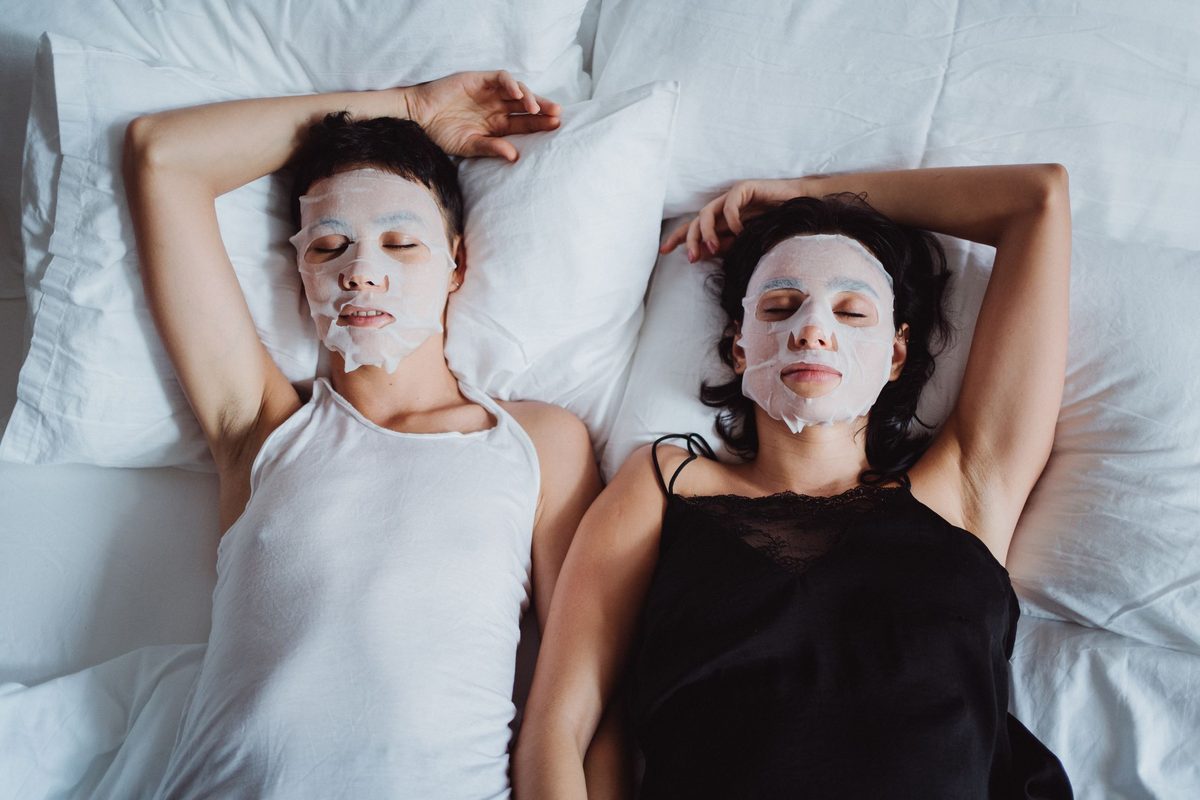
Day 3: Stabilization and Reveal (48–72 Hours)
By day three, most visible signs have resolved. Residual puffiness settles. Your skin starts showing early hydration improvements. Light mineral makeup is now acceptable. You are flight-ready.
Environmental Factors: The Silent Recovery Optimizer
Most Seoul medical tourism itinerary guides ignore one critical variable — your accommodation environment. Where you sleep and rest during those 72 hours is not a comfort preference. It is a medical necessity that directly impacts your clinical outcome. Planning your accommodation around these factors is essential for optimal healing.
The Medical Necessity of a Smoke-Free Environment
Cigarette smoke contains over 4,000 chemical compounds. Many are direct skin irritants. Secondhand smoke exposure triggers inflammatory cytokine release in freshly treated tissue. This can prolong redness by 48 hours or more.
Even residual smoke particles on hotel surfaces (thirdhand smoke) can cause micro-inflammation. Choose strictly non-smoking accommodations. Verify this at booking — not upon arrival.
- Ideal: Korean hotels with designated non-smoking floors
- Avoid: Properties that merely offer “non-smoking rooms” in otherwise smoking-permitted buildings
- Verify: Ask specifically whether the floor has ever permitted smoking — residue persists for months
Cortisol Control: Why Quiet Accommodations Matter
Noise disrupts sleep architecture. Poor sleep elevates cortisol levels. Elevated cortisol directly suppresses collagen synthesis and delays wound healing. The connection is well-documented in dermatological research.
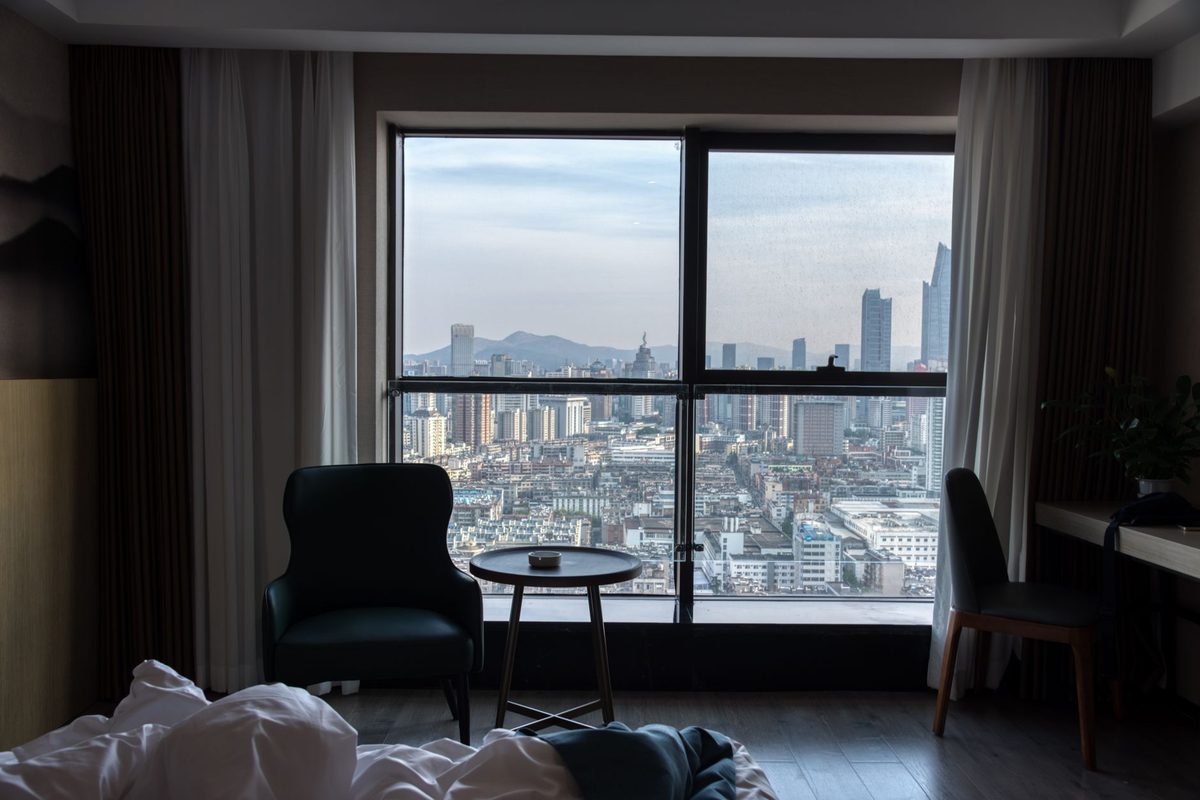
Your skin literally heals faster in silence. Choose rooms away from street-facing windows. Avoid nightlife districts. Request upper floors. Bring silicone earplugs rated for 33 dB reduction.
Use booking platforms like Agoda or Booking.com to proactively filter for “non-smoking” and “quiet room” options during the reservation process. This gives you documented control over your recovery environment before arrival.
Actionable Travel Logistics for Your Seoul Medical Tourism Itinerary
Smart planning eliminates unnecessary stress. A well-structured post-procedure schedule reduces cortisol and supports recovery. Here is how to structure your 72 hours for maximum healing efficiency.
Transit Strategy: Clinic to Accommodation
Book accommodation within a 10-minute taxi radius of your clinic. Gangnam and Sinsa-dong offer the highest density of aesthetic clinics with luxury hotels nearby.
- Pre-download KakaoTaxi (Korean ride-hailing app) before procedure day. Set up a travel eSIM such as Malttok in advance — this ensures seamless taxi hailing outside Wi-Fi zones immediately upon arrival.
- Avoid the subway during peak hours on Day 1 — crowded trains mean accidental face contact
- A short taxi ride protects your investment and minimizes airborne irritant exposure
Post-Treatment Skincare Micro-Routine
Pack these items in your carry-on before arriving in Seoul:
- Centella asiatica recovery balm (fragrance-free)
- Thermal spring water spray for gentle hydration
- SPF 50+ mineral sunscreen (zinc oxide–based)
- Sterile saline wipes for gentle cleansing
- Silk or satin pillowcase to reduce friction during sleep
Application rule: Clean fingertips only. No cotton pads. No brushes. Minimal mechanical contact for 72 hours.
Pre-Flight Preparation (Day 3)
Airplane cabins have humidity levels around 10–20%. This dehydrates healing skin rapidly.
Flight-day protocol: Apply thick occlusive barrier cream 30 min before boarding. Reapply thermal mist every 90 minutes in-flight. Zero alcohol — it worsens dehydration and can reactivate mild swelling.
A considered Seoul medical tourism itinerary accounts for these details. The difference between a good outcome and a great one often lives in these micro-decisions.

Seoul remains the global capital of aesthetic innovation. The procedures available here are often 12–18 months ahead of Western markets. However, clinical excellence means nothing without proper aftercare infrastructure. Build your Seoul medical tourism itinerary around recovery — not sightseeing — and you will leave with results that justify the journey.
Medical Disclaimer
The information presented in this article is for educational purposes only and does not constitute medical advice, diagnosis, or treatment recommendation. Individual outcomes vary based on skin type, medical history, and treatment protocol. Always consult a board-certified dermatologist or licensed medical professional before undergoing any cosmetic procedure. Korean Medical Index does not endorse specific clinics or practitioners. Treatment decisions should be made in consultation with a qualified provider who can assess your individual suitability.
Clinical References
The recovery guidance and environmental recommendations in this article are informed by peer-reviewed dermatological research:
- Ebrecht, M. et al. — Perceived Stress, Cortisol, and Impaired Wound Healing. Psychoneuroendocrinology, 2004; 29(6): 798–809.
- Sorensen, L.T. — Wound Healing and Infection in Surgery: The Impact of Smoking. Annals of Surgery, 2012; 255(6): 1069–1079.
- Kahan, V. et al. — Stress, Immunity, and Skin Collagen Integrity: Evidence from Sleep Deprivation Studies. Medical Hypotheses, 2010; 75(6): 535–537.