
Korean aesthetic medicine is experiencing a foundational cultural shift in how lifting procedures are discussed, verified, and documented. Recent industry coverage from multiple Korean beauty publications reveals a distinct pattern: transparency is replacing secrecy. Practitioners are prioritising device authentication, patients are openly sharing recovery protocols, and the conversation has moved from whether someone had work done to how safely it was performed. This marks a departure from the aspirational silence that characterised Korean beauty culture for decades.
Furthermore, this transparency trend carries significant implications for international medical tourists. The shift affects everything from clinic selection criteria to post-procedure accountability. Korea’s aesthetic market is signalling that informed consent now extends beyond the consultation room into public discourse.
What the Data Shows: From Celebrity Endorsement to Clinical Protocol
Multiple Korean media sources confirm a convergence around three specific transparency markers. First, device authentication has become a consumer-facing priority. Publications emphasise that patients are now requesting verification of FDA or KFDA approval status before consenting to energy-based lifting treatments. This represents a measurable shift from brand-driven decision-making to regulatory credential checking.
Second, recovery documentation is being normalised. Industry data shows public figures discussing anaesthetic cream application, immediate post-procedure appearance, and satisfaction metrics in real time. This candour creates reference points for realistic expectation-setting—a critical gap in pre-2026 Korean beauty narratives.
Third, clinical education initiatives are expanding beyond professional circles. Korean dermatology associations are hosting open clinical lectures on skin tightening modalities, laser protocols, and individualised treatment design. The democratisation of technical knowledge signals a market correction: patients are demanding fluency in the science behind aesthetic interventions.
Key shift: Korea’s 2026 aesthetic dialogue prioritises mechanism over mystique. Patients increasingly ask “Which device?” before “Which clinic?”—a reversal of traditional decision hierarchies.
The Korean Innovation Angle: Regulatory Infrastructure Meets Consumer Literacy
Korea’s lifting procedure transparency advantage stems from two structural factors that international markets rarely combine effectively. The first is regulatory granularity. The Korean Ministry of Food and Drug Safety maintains publicly accessible databases for approved aesthetic devices, including manufacturer details and intended treatment depths. This infrastructure enables patient-level verification in ways that opacity-prone markets cannot easily replicate.
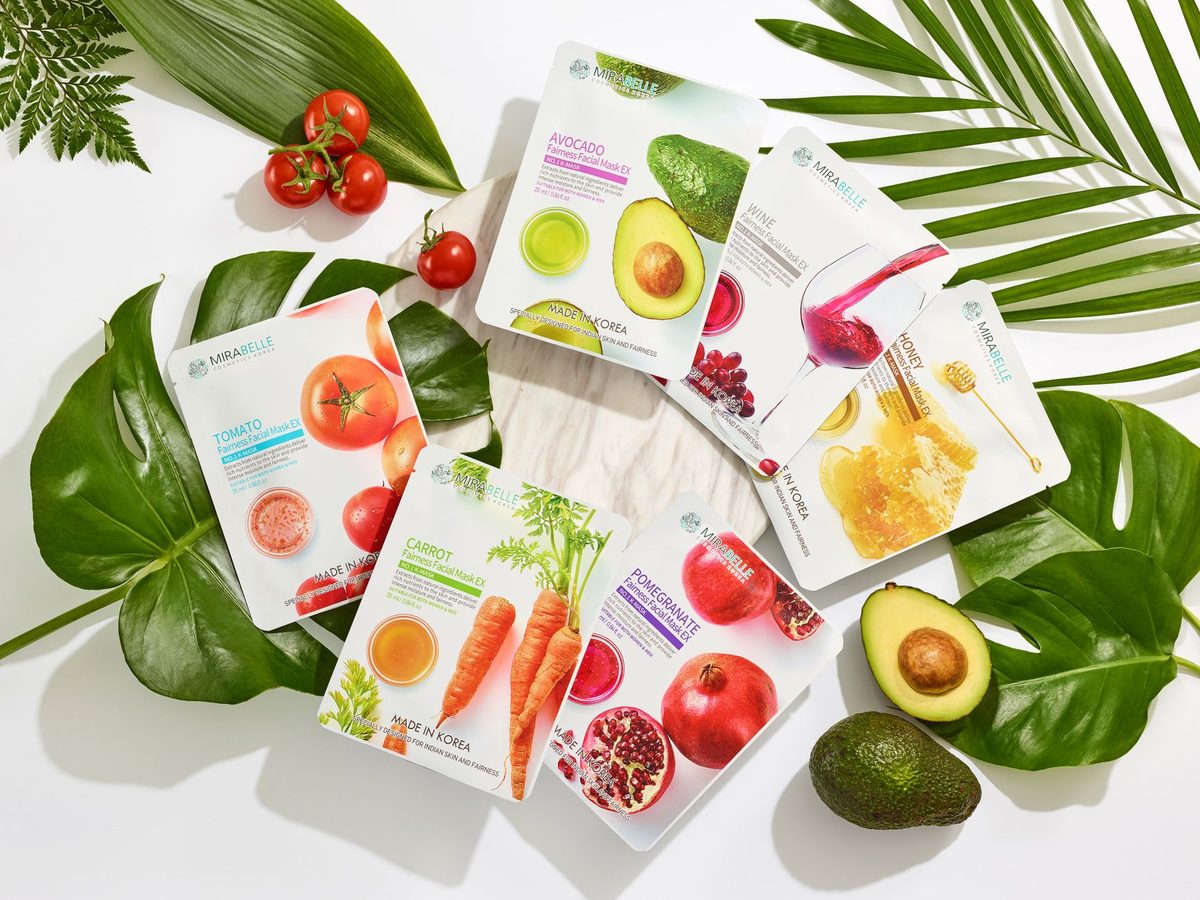
However, regulatory access alone does not drive behaviour change. Korea’s second advantage is cultural: a consumption model built on informed selectivity rather than aspirational purchasing. Korean beauty consumers historically research ingredient lists, manufacturing dates, and clinical trial data before buying a sheet mask. This research reflex naturally extends to aesthetic procedures when transparency infrastructure becomes available.
The convergence creates a self-reinforcing loop. As practitioners adopt transparent protocols to meet informed patient expectations, competitive differentiation shifts from marketing mystique to verifiable clinical competence. Clinics now publish device serial numbers, treatment parameters, and post-care protocols as standard practice—not regulatory compliance theatre, but market-driven necessity.
Planning insight: Korea’s transparency infrastructure allows international patients to pre-verify device authenticity before booking consultations—reducing information asymmetry that typically disadvantages medical tourists.

What This Means for International Patients: Due Diligence Becomes Simpler
For medical tourists, lifting procedure transparency fundamentally alters the research phase. Traditional barriers—language, geographic distance, limited referral networks—diminish when clinics proactively publish verifiable technical data. International patients can now cross-reference device model numbers against KFDA databases, compare treatment protocols across clinics, and verify practitioner credentials through publicly accessible licensing portals.
In addition, transparent recovery documentation sets realistic timelines. When Korean patients openly share immediate post-procedure appearance and healing progression, international visitors gain accurate planning data for flight bookings and social scheduling. The elimination of aspirational before-after narratives reduces the risk of unmet expectations—a primary driver of medical tourism dissatisfaction.
However, transparency also raises the bar for patient preparation. Korean clinics increasingly expect consultation attendees to arrive with basic procedural literacy: understanding the difference between monopolar and bipolar radiofrequency, recognising HIFU depth parameters, and articulating skin laxity assessment vocabulary. This expectation reflects mutual respect—practitioners treat patients as educated collaborators rather than passive recipients.
Action step: Before booking, verify your target clinic’s device inventory against Korea’s public MFDS database. Transparency-forward practices list this information on English-language patient portals.
The transparency shift positions Korea as the aesthetic medicine market where informed consent is structurally enabled rather than rhetorically invoked. As international beauty markets grapple with misinformation and credential ambiguity, Korea’s integration of regulatory infrastructure and consumer literacy offers a replicable model. For medical tourists, this evolution translates to fewer knowledge asymmetries and more predictable outcomes—the foundational requirements for cross-border healthcare confidence.
Medical Disclaimer
The information presented in this article is for educational purposes only and does not constitute medical advice, diagnosis, or treatment recommendation. Individual outcomes vary based on skin type, medical history, and treatment protocol. Always consult a board-certified dermatologist or licensed medical professional before undergoing any cosmetic procedure. Korean Medical Index does not endorse specific clinics or practitioners. Treatment decisions should be made in consultation with a qualified provider who can assess your individual suitability.
Clinical References
The editorial analysis in this article is informed by publicly available medical literature and industry data. Readers can search the primary literature and regulatory guidance directly:
Featured image by Souranshi Fashion and Lifestyle Magazine / Pexels