
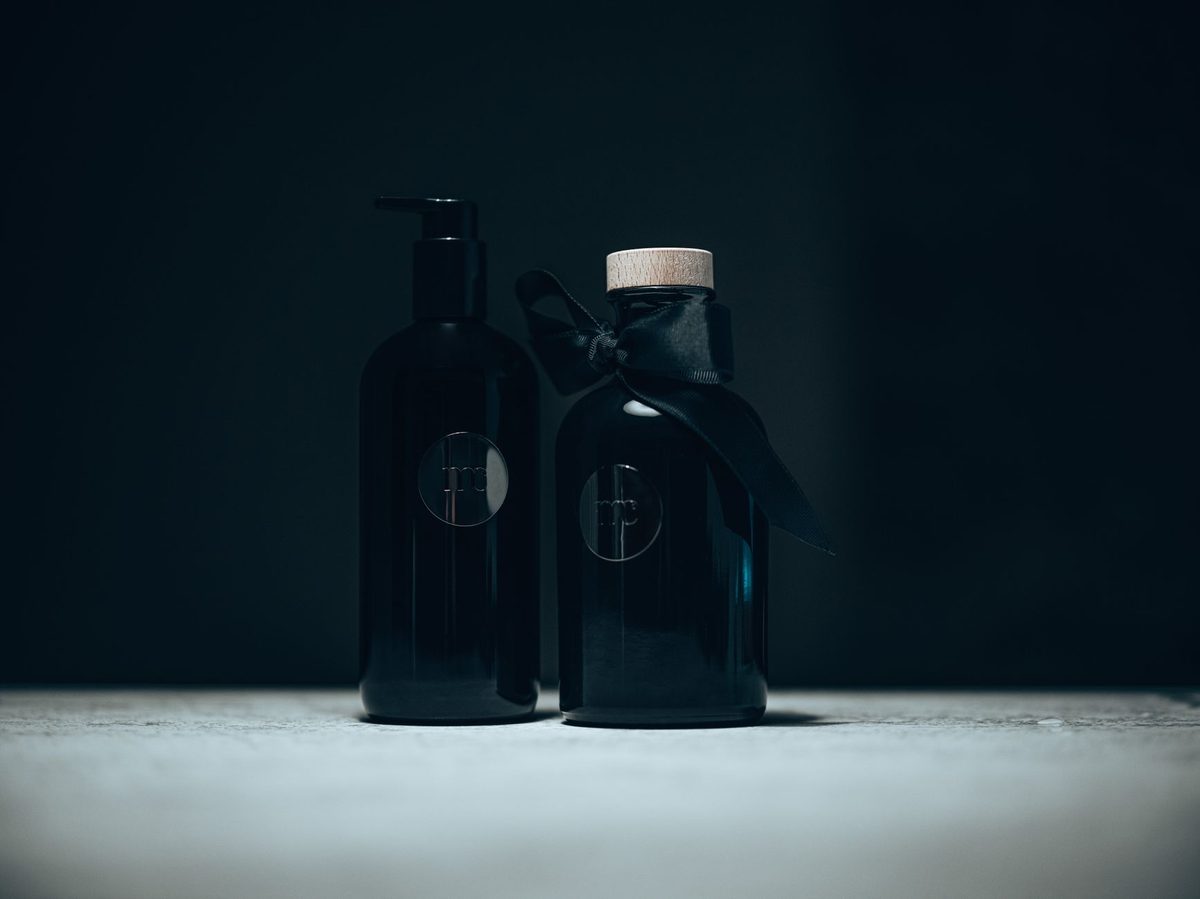
Industry data from the past week signals a fundamental shift in Korean derma cosmetics distribution. Products once sold exclusively through pharmacy channels are now appearing on prestige beauty shelves. Furthermore, international retailers like Sephora are actively courting Korean brands previously classified as clinical-only. This trend matters globally because it redefines what consumers expect from dermatological skincare.
The boundary between pharmaceutical-grade formulations and luxury beauty is dissolving. However, this is not dilution — it represents the evolution of consumer literacy. Korean derma cosmetics are proving that clinical efficacy and retail accessibility can coexist without compromising formulation integrity.
What the Data Shows
Recent Korean industry coverage reveals multiple prestige retail expansions by brands previously limited to pharmacy distribution. Major beauty platforms are launching dedicated dermatological sections. Additionally, professional skincare brands are entering mainstream channels while maintaining their clinical positioning.
This movement spans three distinct categories. Barrier-repair formulations are crossing into lifestyle retail. Post-procedure recovery products are appearing in non-medical contexts. Moreover, brands with dermatologist endorsements are securing shelf space traditionally reserved for luxury cosmetics.
Industry shift: Korean derma cosmetics now target educated consumers who research ingredients before purchasing. The pharmacy-only model cannot serve this demographic’s shopping preferences.
The Korean pharmaceutical beauty market is simultaneously expanding and diversifying. Brands are launching retail-friendly packaging while preserving clinical formulation standards. In addition, consumer forums show active discussion of ingredient transparency and peer-reviewed efficacy claims.
The Korean Innovation Angle
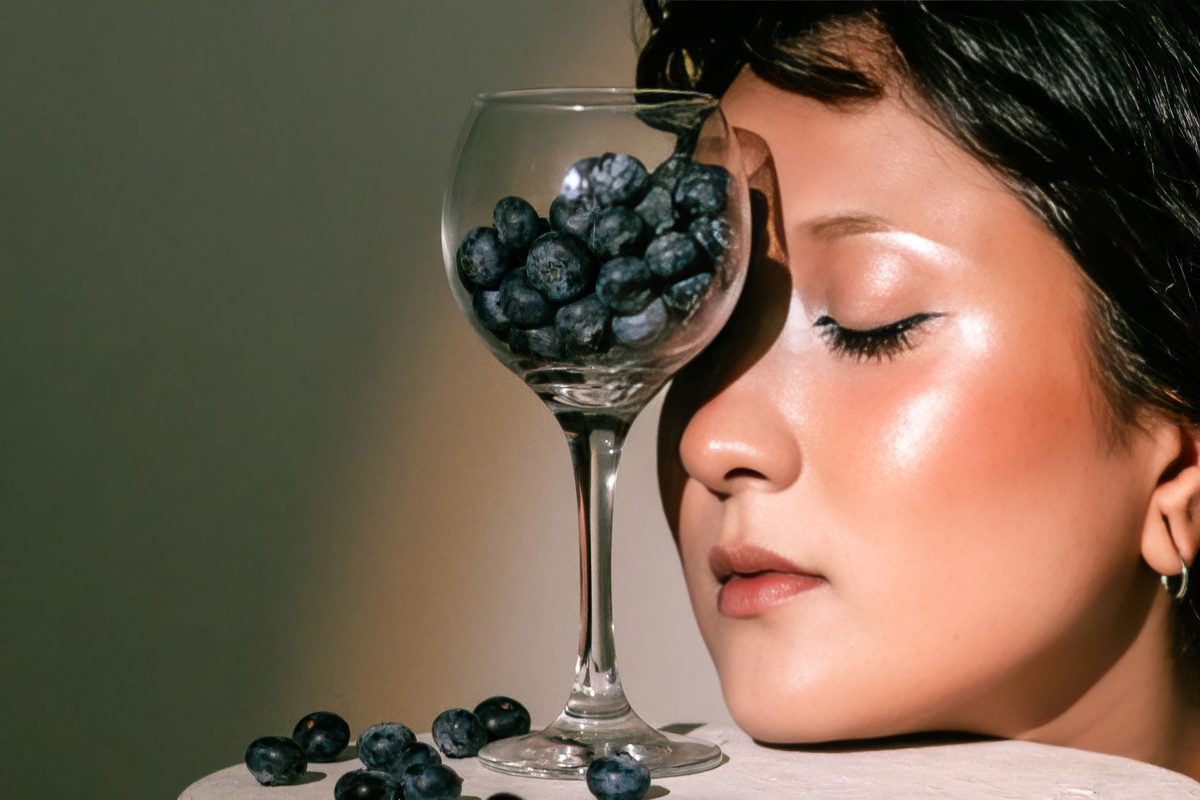
Korea pioneered the democratisation of clinical skincare through strategic ingredient innovation. Korean derma cosmetics deploy pharmaceutical actives at cosmetic-legal concentrations that deliver visible results without prescription requirements. This approach required years of formulation research.
The Korean regulatory framework supports this hybrid model effectively. Products can carry dermatologist endorsements while remaining accessible through retail channels. Furthermore, Korean consumers demand proof of efficacy — clinical trial data and before-after documentation are standard marketing materials.
Korean brands also mastered the educational component that prestige retail demands. Product descriptions explain mechanism of action. Ingredient lists highlight active percentages. Moreover, sales staff receive training equivalent to pharmacy counter protocols.
Korean advantage: Dermatological formulation expertise combined with luxury retail presentation creates a category Western markets are only beginning to replicate.
This expertise extends to texture engineering. Korean derma cosmetics feel indulgent despite clinical ingredient profiles. Barrier creams absorb without residue. Centella serums layer seamlessly under makeup. The sensory experience matches luxury beauty while delivering pharmaceutical results.
What This Means for International Patients
Medical tourists visiting Korea for aesthetic procedures now encounter a transformed post-care landscape. Korean derma cosmetics previously required pharmacy hunting or clinic purchase. However, these products are increasingly available through beauty retailers international travellers already recognise.
This accessibility shift has practical implications for treatment protocols. Dermatologists can recommend specific barrier-repair products knowing patients can purchase them at hotel-district retailers. Furthermore, continuity of post-procedure care improves when products are available in home markets through the same retail channels.
The clinical credibility of Korean derma cosmetics also reassures international patients. Products carry ingredient transparency and efficacy documentation that meet Western regulatory expectations. In addition, multilingual packaging is becoming standard as brands anticipate global distribution.
- Verify formulation consistency: Ensure retail versions match clinic-dispensed formulations by checking ingredient order and active percentages.
- Leverage trial sizes: Korean derma cosmetics brands increasingly offer discovery sets through prestige retail for protocol testing.
- Request dermatologist guidance: Ask your treating physician which retail-available products align with your prescribed post-care routine.
However, not all dermatological products suit self-selection. International patients should distinguish between daily barrier maintenance and targeted treatment formulations. The former now lives comfortably in retail; the latter still requires professional guidance.
The Korean derma cosmetics evolution signals broader industry maturation. Clinical efficacy is becoming a baseline consumer expectation rather than a niche category. As this model expands globally, the Korean approach — rigorous formulation meeting intuitive retail experience — offers a template other markets will likely follow. For medical tourists, this means better post-care access and clearer product education, both in Seoul and at home.
Medical Disclaimer
The information presented in this article is for educational purposes only and does not constitute medical advice, diagnosis, or treatment recommendation. Individual outcomes vary based on skin type, medical history, and treatment protocol. Always consult a board-certified dermatologist or licensed medical professional before undergoing any cosmetic procedure. Korean Medical Index does not endorse specific clinics or practitioners. Treatment decisions should be made in consultation with a qualified provider who can assess your individual suitability.
Clinical References
The editorial analysis in this article is informed by publicly available medical literature and industry data. Readers can search the primary literature and regulatory guidance directly:
Featured image by Egor Komarov / Pexels