
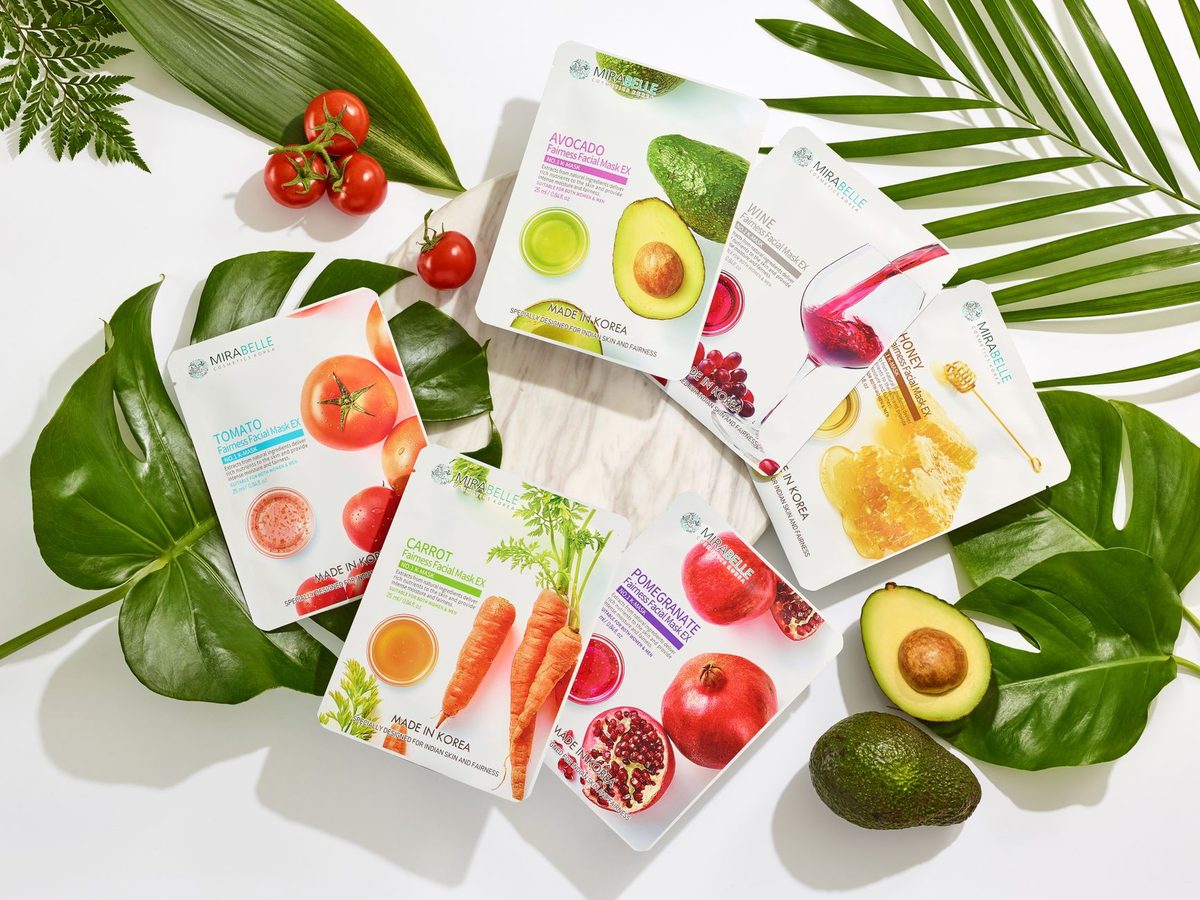
Korean beauty retail is undergoing a structural transformation that extends far beyond traditional product displays. Recent Korean industry coverage signals a decisive pivot toward k-beauty experiential retail — a model where consumers engage with diagnostic technology, personalised consultations, and lifestyle integrations before making purchase decisions. Furthermore, this shift reflects Korea’s broader evolution from transactional commerce to immersive brand ecosystems that educate while they sell.
The implications reach beyond Seoul’s flagship stores. International visitors now prioritise hands-on beauty experiences over simple product acquisition. In addition, this trend positions Korea as the global laboratory for retail formats that merge dermatological credibility with consumer accessibility.
What the Data Shows: From Browsing to Participating
Multiple Korean beauty publications confirm rising consumer demand for experiential retail touchpoints. However, the pattern is not about entertainment — it reflects scientific literacy. Shoppers increasingly expect personal colour analysis, real-time skin diagnostics, and guided product selection based on measurable criteria rather than marketing claims.
Korean retailers report significant growth in foot traffic driven by diagnostic services rather than promotional discounts. Moreover, international tourists now allocate dedicated time for these consultations during short-term visits. The data suggests experience-first retail converts browsers into informed buyers at substantially higher rates than traditional sampling.
Key insight: Korean beauty retail now functions as a consultation clinic first and a store second. The product becomes the conclusion of an educational journey, not the starting point.
Notably, this model extends beyond premium districts. Small-format concept stores in secondary neighbourhoods offer abbreviated versions of the same diagnostic services. In addition, pharmacy chains integrate consultation booths that rival department store offerings in technical sophistication.
The Korean Innovation Angle: Science Meets Accessibility
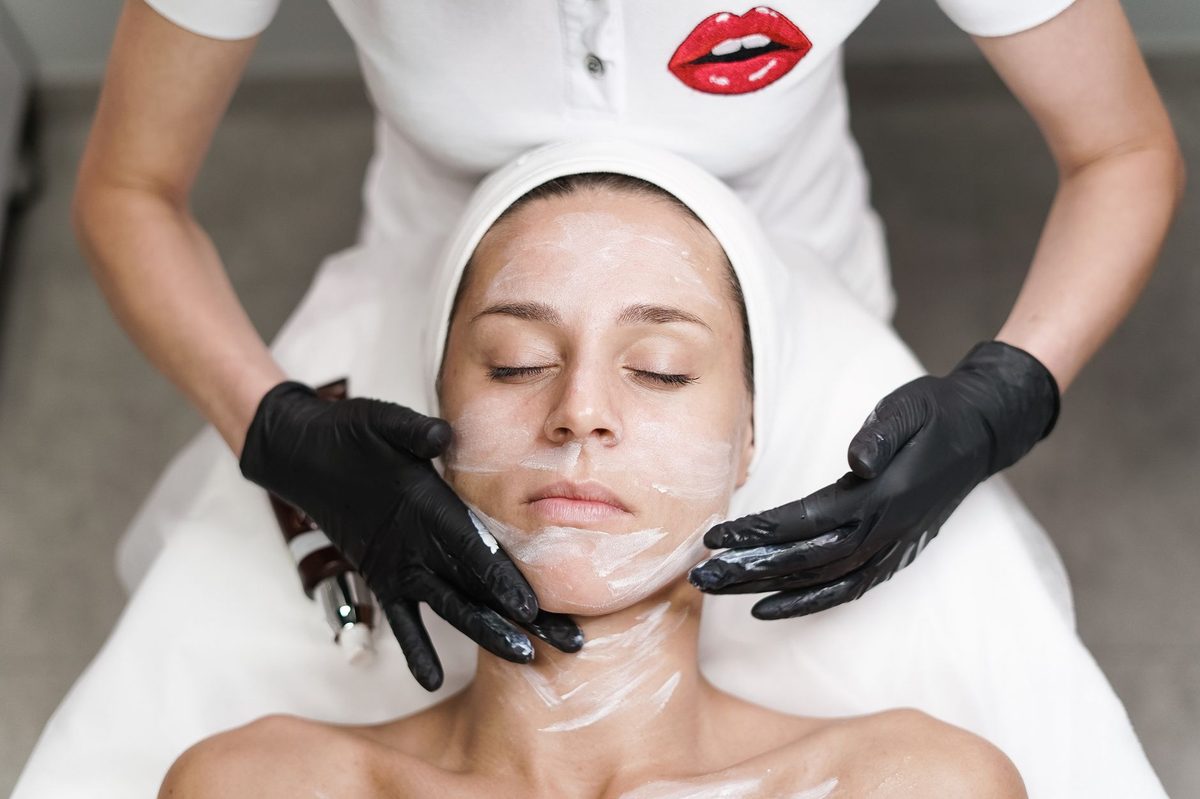
Korea’s retail transformation draws directly from its clinical aesthetic infrastructure. Dermatology clinics routinely offer transparent skin analysis as standard practice. Therefore, beauty retailers adopting similar diagnostic tools face minimal consumer scepticism — the expectation already exists.
Korean brands leverage proprietary skin imaging devices that measure hydration, pigmentation, and barrier integrity in under two minutes. Furthermore, staff training emphasises condition recognition over product upselling. This clinical credibility distinguishes Korean experiential retail from Western beauty counters where consultations often prioritise inventory movement.
The Korean model also integrates lifestyle programming. Retailers host workshops on facial massage techniques, ingredient literacy sessions, and seasonal skincare adjustments. However, these events avoid promotional language — they position the brand as an educational resource rather than a vendor.
What makes Korea different: Diagnostic tools used in retail stores mirror those found in dermatology offices. Consumers receive clinic-grade analysis without booking a medical appointment.
Additionally, Korean retailers embrace transparency around product limitations. Staff openly discuss which concerns require professional treatment versus at-home management. This honesty builds long-term trust that transcends single transactions.
What This Means for International Patients
Medical tourists should reframe Korean beauty retail as a complementary diagnostic resource. Many stores offer complimentary skin analysis that provides valuable baseline data before clinical consultations. Moreover, these assessments help visitors articulate concerns to dermatologists with greater precision.
International patients often discover post-procedure skincare needs through retail diagnostics rather than clinical follow-ups. Furthermore, staff at experiential stores understand recovery protocols for common procedures and can recommend appropriate maintenance products without medical jargon.
Timing matters. Visit k-beauty experiential retail locations early in your trip to establish skin baselines and identify priorities. However, avoid scheduling these visits immediately after procedures when skin sensitivity peaks. Allow 48-72 hours post-treatment before diagnostic assessments.
- Ideal districts: Gangnam, Hongdae, and Myeongdong concentrate the highest density of diagnostic-equipped stores
- Language accessibility: Major experiential retailers employ multilingual staff and offer consultation services in English
- Documentation: Request printed diagnostic reports to share with your dermatologist or aesthetician back home
- Integration strategy: Use retail diagnostics to validate clinical treatment plans and optimise product selection post-procedure
Medical tourist tip: Book experiential retail consultations on your first full day in Seoul. The diagnostic data informs better questions during subsequent clinical appointments.
Importantly, these retail experiences complement rather than replace professional medical consultations. They provide consumer-grade insights suitable for product selection but cannot substitute for board-certified dermatological assessment before procedures.
Korea’s experiential retail model represents the industry’s future — a synthesis of clinical credibility, consumer education, and accessibility. As this framework expands globally, Seoul remains the reference point where science-backed beauty retail reached full maturity. For international visitors, these spaces offer both immediate value and a preview of how skincare commerce will evolve worldwide.
Medical Disclaimer
The information presented in this article is for educational purposes only and does not constitute medical advice, diagnosis, or treatment recommendation. Individual outcomes vary based on skin type, medical history, and treatment protocol. Always consult a board-certified dermatologist or licensed medical professional before undergoing any cosmetic procedure. Korean Medical Index does not endorse specific clinics or practitioners. Treatment decisions should be made in consultation with a qualified provider who can assess your individual suitability.
Clinical References
The editorial analysis in this article is informed by publicly available medical literature and industry data. Readers can search the primary literature and regulatory guidance directly:
Featured image by Souranshi Fashion and Lifestyle Magazine / Pexels