

Industry data from South Korea reveals a striking diagnostic behaviour pattern. Recent surveys show that 82% of Korean adults experiencing hand skin conditions bypass dermatologists entirely, opting instead for pharmacy consultations or internet self-diagnosis protocols. This trend raises critical questions about Korean dermatology diagnosis culture — and what it signals for international medical tourists navigating Korea’s notoriously accessible beauty and skincare infrastructure. Furthermore, it highlights a paradox: the very systems that make Korea a skincare innovation leader may inadvertently delay accurate medical intervention for conditions requiring specialist evaluation.
The phenomenon matters beyond Korea’s borders. Medical tourists often research Korean aesthetic procedures via the same digital platforms Korean locals use for self-diagnosis. Understanding this cultural context becomes essential when distinguishing between cosmetic enhancement and medical necessity.
What the Data Shows: Accessibility Creates Diagnostic Gaps
Multiple Korean dermatological publications confirm the pattern. Nearly half of Korean adults report experiencing hand dermatoses at some point, yet specialist consultation rates remain below 20%. The Korean Dermatological Association attributes this to three structural factors. First, Korea’s 24-hour pharmacy network offers immediate OTC corticosteroid access without prescriptions. Second, online symptom-matching algorithms proliferate across beauty platforms, often conflating cosmetic concerns with clinical pathology. Third, the cultural stigma around “minor” complaints discourages early professional evaluation.
However, the medical reality complicates this self-reliant approach. Conditions like contact dermatitis, dyshidrotic eczema, fungal infections, and palmoplantar psoriasis present nearly identical initial symptoms. Each requires distinct treatment protocols. Misidentification prolongs recovery and risks secondary complications. The association’s 2026 awareness campaign emphasises that visual similarity does not equal diagnostic equivalence — a message aimed at both domestic patients and international visitors.
Key insight: Korea’s pharmacy accessibility is an asset for routine skincare but a liability when self-diagnosis bypasses conditions requiring differential pathology assessment.
The Korean Innovation Angle: When Convenience Outpaces Caution
Korea’s dermatology infrastructure is among the world’s most advanced. Board-certified dermatologists outnumber those in most OECD nations per capita. Digital dermoscopy, AI-assisted lesion analysis, and same-day biopsy processing are standard in Seoul’s clinic ecosystem. Yet this very sophistication creates an expectation gap. Patients assume minor skin issues fall below the threshold warranting specialist time, particularly when pharmacy-grade actives are shelf-available.
The trend also reflects Korea’s unique medical aesthetics culture. Dermatology clinics are often perceived as enhancement-focused rather than diagnostic-first. This brand positioning — while commercially successful for laser treatments and injectables — may inadvertently discourage patients from seeking evaluation for “unglamorous” conditions like hand eczema. In addition, the rise of at-home device ecosystems (LED masks, microcurrent tools, prescription-strength retinoids via telemedicine) reinforces the belief that professional intervention is optional rather than foundational.
Korean medical device manufacturers now target this gap directly. Recent product launches combine OTC formulations with companion apps that triage users toward specialist consultation when symptom patterns indicate diagnostic ambiguity. This hybrid model — accessible self-care with algorithmic clinical gatekeeping — may redefine how Korea balances convenience and accuracy.

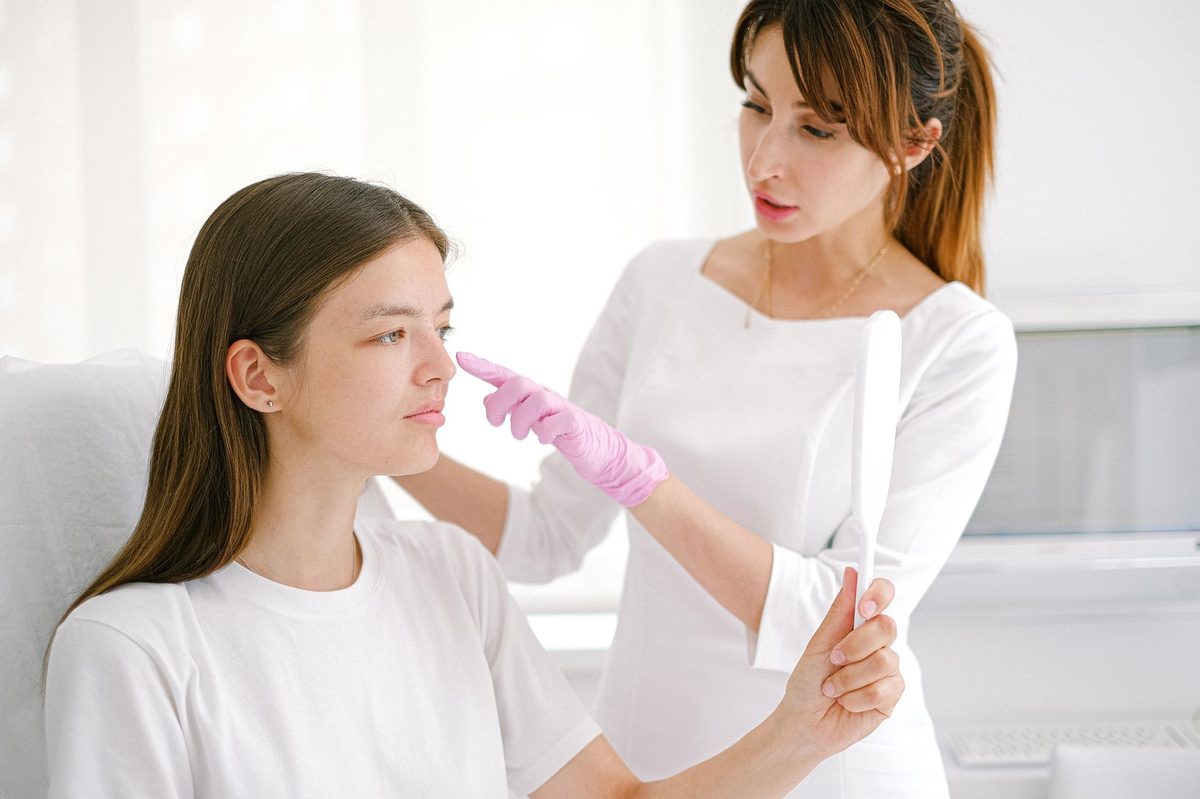
Medical tourists arriving in Seoul often research procedures via Korean beauty platforms, where user-generated content blurs cosmetic and clinical boundaries. The same self-diagnosis culture that delays domestic hand eczema treatment can lead international visitors to misclassify conditions. A case in point: persistent facial redness may be rosacea requiring prescription therapy, not a cosmetic concern addressable via laser alone. Korean dermatology diagnosis protocols demand in-person evaluation, yet many medical tourism packages emphasise aesthetic outcomes over diagnostic workup.
International patients should verify that consultations include differential diagnosis steps, not just treatment selection. Ask whether the clinic’s intake process involves dermatoscopy, patch testing (for suspected contact dermatitis), or fungal culture (for hand lesions). Clinics catering exclusively to aesthetic clients may lack these diagnostic infrastructures. Furthermore, confirm the attending physician holds board certification from the Korean Dermatological Association — a credential distinct from aesthetic medicine training.
Planning tip: Request pre-consultation documentation of your condition’s differential diagnosis. If a clinic offers treatment without discussing alternative pathologies, seek a second opinion before proceeding.
The diagnostic behaviour gap also affects post-procedure care. Korean clinics routinely prescribe pharmaceutical-grade skincare regimens. However, without baseline diagnostic clarity, patients may misinterpret normal healing responses as adverse reactions. This confusion often drives individuals back to online self-diagnosis forums rather than follow-up consultations. Establishing a clear diagnostic framework during initial evaluation prevents this cycle.
When Accessibility Becomes Accountability
Korea’s 2026 dermatology diagnosis awakening signals a maturation phase. The infrastructure that made K-beauty globally dominant now confronts its own success. As pharmaceutical skincare becomes increasingly potent and device technology migrates into consumer hands, the line between self-management and professional oversight demands recalibration. For international patients, this transition offers a critical lesson. Korea’s innovation ecosystem rewards informed consumers who understand when convenience ends and clinical necessity begins. Furthermore, the country’s evolving diagnostic culture — evidenced by the dermatological association’s public campaign — demonstrates that even the most advanced markets must periodically audit their accessibility-versus-accuracy balance.
The real question for 2026 is whether Korea’s medical tourism sector will integrate these lessons into patient education protocols. If so, the same data-driven transparency that exposed the 82% diagnostic gap may become the industry’s most compelling trust signal.
Medical Disclaimer
The information presented in this article is for educational purposes only and does not constitute medical advice, diagnosis, or treatment recommendation. Individual outcomes vary based on skin type, medical history, and treatment protocol. Always consult a board-certified dermatologist or licensed medical professional before undergoing any cosmetic procedure. Korean Medical Index does not endorse specific clinics or practitioners. Treatment decisions should be made in consultation with a qualified provider who can assess your individual suitability.
Clinical References
The editorial analysis in this article is informed by publicly available medical literature and industry data. Readers can search the primary literature and regulatory guidance directly:
Featured image by Ryanniel Masucol / Pexels