
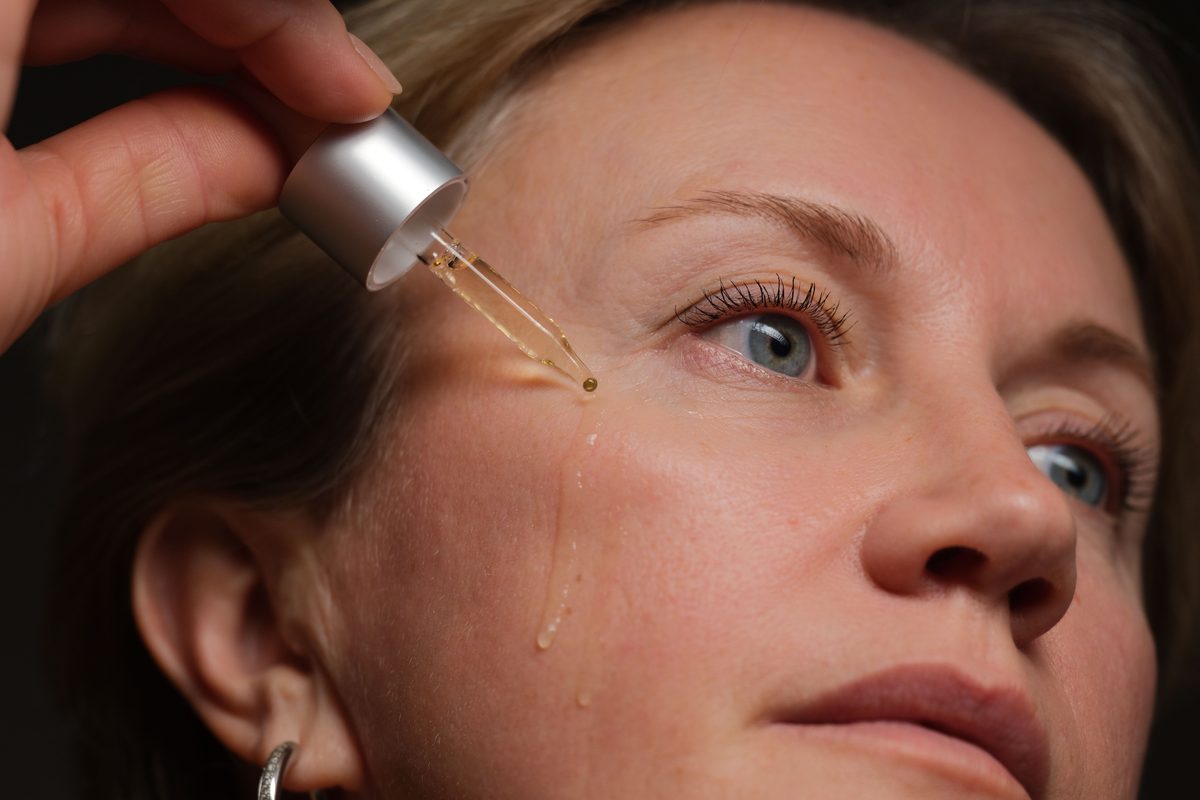
Walk down any street in Cheongdam-dong or Gangnam, Seoul, and you will notice something unmistakable: an impossibly natural, lit-from-within glow that no foundation can replicate. This is not the product of a 10-step routine. It is the result of clinical-grade Korean skin boosters — the aesthetic innovation that has made Seoul the global capital of skin quality medicine.
For international patients travelling to Korea for aesthetic treatments, skin boosters have become the single most requested procedure category. But with multiple formulations available at every Seoul aesthetic clinic, selecting the right treatment requires understanding the science behind each option.
This is your definitive, clinically referenced guide to the two most sought-after skin boosters in Korean dermatology today: Juvelook and Rejuran Healer.
What Is a Skin Booster? Understanding the Clinical Mechanism
Skin boosters represent a distinct category from traditional dermal fillers. While fillers physically add volume to alter facial contours, skin boosters operate at the dermal layer — micro-injected to hydrate, stimulate endogenous collagen synthesis, and restore the skin’s extracellular matrix from within.
The clinical outcome is measurably improved skin density, hydration, and elasticity without the volumised or “overfilled” appearance associated with hyaluronic acid fillers. This distinction is critical for patients seeking natural skin rejuvenation rather than structural modification.
Rejuran Healer: Polynucleotide-Based Cellular Repair
Rejuran Healer — often referenced as the “salmon injection” in Korean dermatology — is formulated with Polynucleotides (PN) derived from salmon DNA fragments. These biopolymers demonstrate high biocompatibility with human dermal tissue.
How Rejuran Works
Polynucleotides increase fibroblast viability and stimulate the secretion of multiple growth factors (VEGF, FGF), accelerating the natural wound-healing cascade within damaged dermal structures. Peer-reviewed research in the Journal of Cosmetic Dermatology confirms PN’s efficacy in improving skin elasticity and reducing trans-epidermal water loss (TEWL).
Who Should Consider Rejuran
- Compromised skin barrier function
- Post-inflammatory hyperpigmentation or acne scarring
- Persistent erythema and sensitivity
- Chronic fine wrinkles from photoaging
Rejuran: What to Expect
Rejuran functions as a cellular repair agent rather than a cosmetic enhancer. Administration involves micro-injections across the treatment area, which produce temporary papules (small raised bumps) lasting 24–48 hours. Due to PN viscosity, patients report a moderate stinging sensation during injection. Premium clinics in Seoul mitigate this with prescription-grade topical anaesthesia and pneumatic injector devices that significantly reduce discomfort.
Juvelook: PDLLA Hybrid Collagen Stimulator
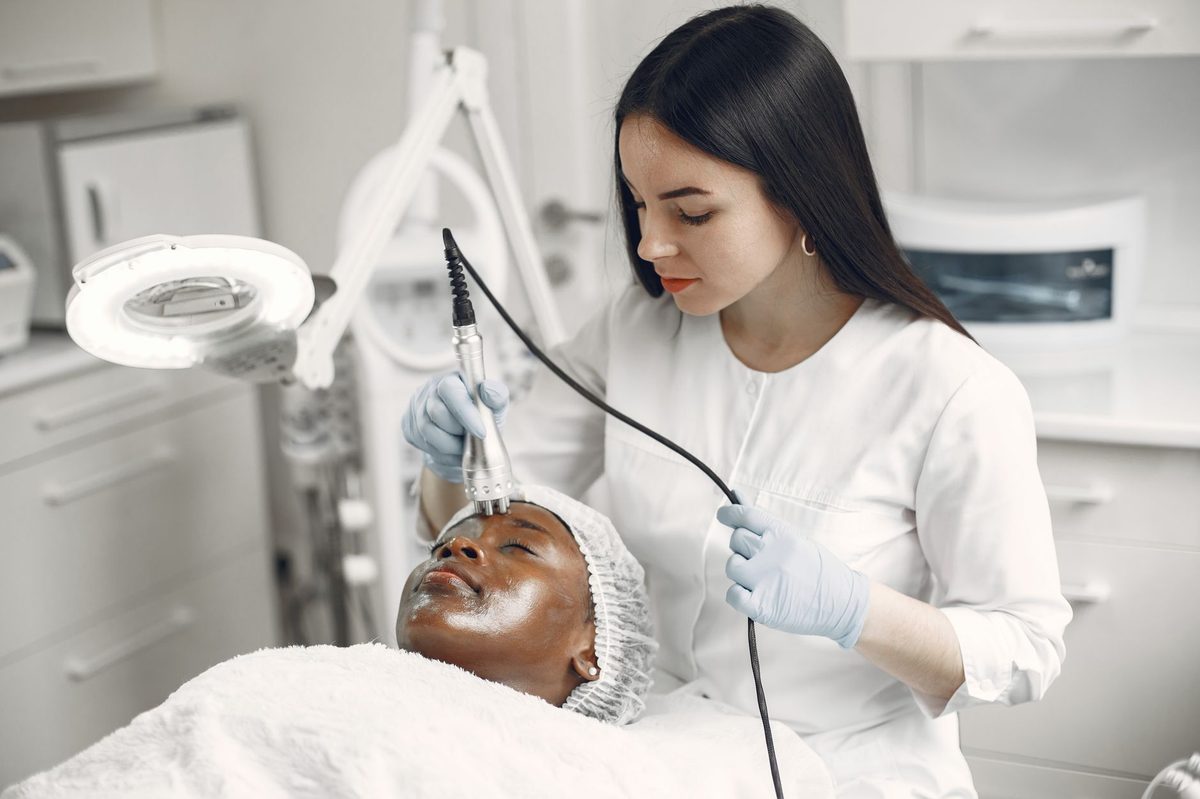
Juvelook represents the latest advancement in Korean aesthetic medicine — a hybrid injectable combining PDLLA (Poly-D,L-Lactic Acid) microspheres with non-crosslinked Hyaluronic Acid. This dual-action formulation has rapidly become the treatment of choice for patients prioritising long-term skin density improvement.
How Juvelook Works
PDLLA microspheres feature a porous microstructure that allows fibroblast infiltration. As the particles undergo gradual biodegradation over 8–12 weeks, they serve as a scaffold triggering sustained type-I collagen neogenesis. Research published in the Aesthetic Surgery Journal documents measurable increases in dermal thickness following PDLLA treatment protocols.
Who Should Consider Juvelook
- Enlarged pores and uneven skin texture
- Early fine lines and loss of skin firmness
- Overall skin dullness and reduced luminosity
- Patients seeking gradual, natural-looking improvement
Juvelook: What to Expect
Due to the ultrafine particle size of PDLLA microspheres, Juvelook produces significantly less tissue friction than comparable injectables. Downtime is near-zero — minor erythema typically resolves within hours. Pain levels are notably lower than Rejuran, making it suitable for patients with lower discomfort tolerance.
Comparing Korean Skin Boosters: Juvelook vs. Rejuran
| Clinical Parameter | Rejuran Healer | Juvelook |
|---|---|---|
| Active Ingredient | Polynucleotide (Salmon DNA) | PDLLA + Non-crosslinked HA |
| Primary Mechanism | Cellular repair & barrier restoration | Collagen neogenesis & tissue remodelling |
| Best Indication | Damaged, sensitive, scarred skin | Texture, pores, firmness, dullness |
| Recovery Period | 1–2 days (visible papules) | Minimal (hours of mild redness) |
| Discomfort Level | Moderate | Mild |
| Protocol | 3 sessions, 3–4 weeks apart | 3 sessions, 4 weeks apart |
Cost Analysis: Seoul vs. International Pricing
The economics of Korean skin boosters present a compelling case for medical tourism. Pricing differences reflect Korea’s unique combination of regulatory environment, practitioner volume, and supply-chain proximity to manufacturers.
- US, UK, and Europe: Limited availability and higher medical overhead place comparable skin quality treatments in the range of $800–$1,500+ USD per session.
- Seoul, South Korea: Board-certified Korean dermatologists perform these procedures at scale daily, creating significant cost efficiency without compromising clinical standards.
💡 Seoul Clinic Price Insight (2026)
In premium clinics across Gangnam and Cheongdam, expect to pay between $250 and $450 USD per session for Rejuran (2cc) or Juvelook. This typically includes a consultation with a board-certified dermatologist, professional numbing procedures, and verified MFDS-approved products. For context, comparable treatments in the US or Europe generally start at $800+ per session — making Seoul a compelling destination for the same clinical-grade procedures at significantly lower cost.
Frequently Asked Questions
Can I wear makeup immediately after treatment?
No. Dermatologists universally recommend avoiding cosmetic application for a minimum of 24 hours post-procedure. Micro-injection channels remain patent for several hours, and introducing cosmetic formulations risks bacterial contamination and inflammatory response.
How long do the results last?
A single session provides measurable but temporary improvement. The full clinical benefit accumulates across the standard 3-session protocol. Once the complete course is finished, patients typically maintain results for 6 to 12 months, influenced by individual factors including UV exposure, lifestyle, and baseline skin condition.
When will visible improvement begin?
The hyaluronic acid component in Juvelook delivers immediate hydration and subtle plumping. However, the structural benefits of collagen remodelling become clinically apparent at 2–4 weeks post-treatment, with progressive improvement continuing through the full treatment course.
Post-Treatment Care: Maximising Your Results
The regenerative process initiated by skin boosters continues for weeks after your clinic visit. During the first 48 hours, the skin remains in an active healing state. Korean dermatologists consistently recommend two clinical priorities during this window: barrier restoration and UV protection.
Lock in hydration with medical-grade ceramide-based barrier creams and apply broad-spectrum SPF 50+ diligently. These products can be conveniently sourced at Korean pharmacies and beauty retailers.
🌿 Post-Procedure Essentials: Dermatologist Picks
The following products are widely used in Korean dermatology clinics for post-treatment recovery.
1. Dr.G R.E.D Blemish Clear Soothing Cream
A Korean pharmacy staple for calming post-procedure redness and sensitivity. Formulated to cool and restore irritated skin without heavy occlusion.
2. Centellian24 Madeca Cream
Centella Asiatica-based barrier repair cream frequently prescribed by Korean dermatologists for post-injection and post-laser recovery protocols.
Your Next Step: Selecting the Right Seoul Clinic
Identifying the optimal treatment is the first decision. Equally important is selecting a facility with English-speaking staff, transparent pricing, and board-certified practitioners experienced with international patients.
Medical Disclaimer
The information presented in this article is for educational purposes only and does not constitute medical advice, diagnosis, or treatment recommendation. Individual outcomes vary based on skin type, medical history, and treatment protocol. Always consult a board-certified dermatologist or licensed medical professional before undergoing any cosmetic procedure. Korean Medical Index does not endorse specific clinics or practitioners. Treatment decisions should be made in consultation with a qualified provider who can assess your individual suitability.
Clinical References
The mechanisms and clinical data discussed in this article are informed by peer-reviewed research and regulatory documentation:
- Kim, S.J. et al. — Efficacy of Polynucleotides on Skin Rejuvenation. Journal of Cosmetic Dermatology, 2023.
- Lee, H.K. et al. — PDLLA Microspheres and Collagen Neogenesis: A Controlled Study. Aesthetic Surgery Journal, 2024.
- Ministry of Food and Drug Safety (MFDS) — Medical Device Classification and Safety Approval Records, Republic of Korea.